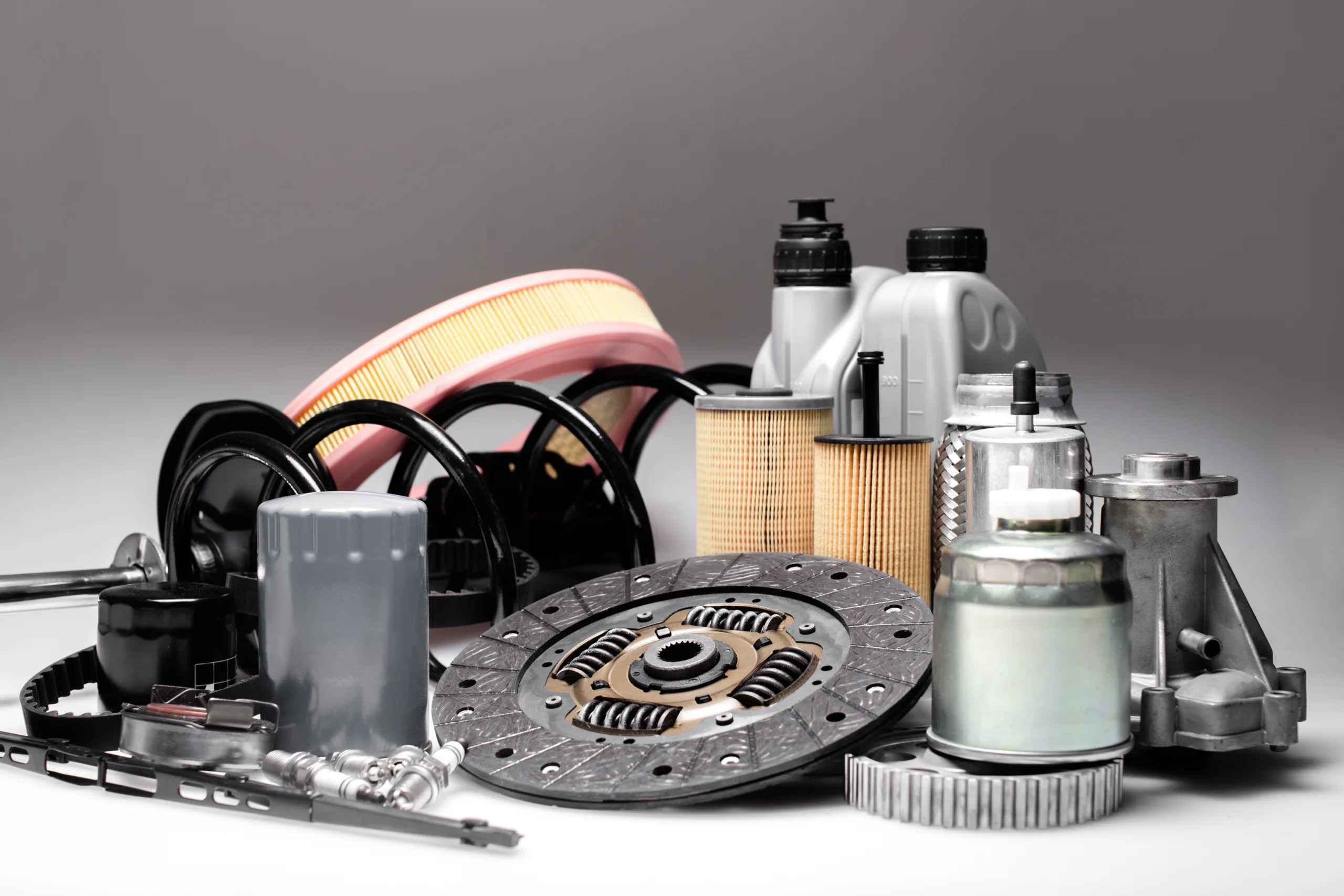


When your Toyota starts making a sound that does not belong there it is easy to hope it disappears on its own. Most drivers have been there. You turn the radio down. You listen again. You wonder if it is something serious or just a minor issue that will sort itself out. The truth is that unusual noises rarely appear without a reason. Catching them early can save you time, money and stress.
At Popular Auto Parts, we speak with Toyota owners every day who notice new rattles or clunks but are not sure where to look first. Since we supply high-quality aftermarket spare parts rather than offering repair work, our goal is simple. Help you understand what the noise might be and point you to the parts that often need attention so you can fix the issue with confidence in your own garage or through a trusted mechanic.
So let us break down the most common kinds of noises and what you should check when you hear them.
Loud ticking or tapping from the engine bay

A quick tapping sound that speeds up as you accelerate usually means something inside the engine area needs attention. Start with the basics. Open the hood and check the engine oil level. Low oil can cause the top part of the engine to run dry, which leads to ticking noises. If the oil is low avoid driving the car until you top it up or replace it.
If the oil level is normal the next step is to look for worn parts that often cause tapping sounds in Toyota engines. Loose or stretched belts are common culprits. A worn belt can slip and create a repetitive sound that echoes through the engine bay. At Popular Auto Parts we stock direct fit replacements for Toyota belts that match the same specifications as the original parts.
Another possibility is a failing timing component. Modern Toyota engines rely on tensioners and guides to keep the engine in sync. When these parts wear out they often create sharp tapping sounds. If you suspect anything timing related get it checked quickly because ignoring it can lead to more serious engine damage.
Deep knocking sounds when accelerating
A deep knocking noise that comes from the lower part of the engine is something you never want to ignore. Sometimes it is caused by using fuel with an octane rating that is too low for your engine. Switching to a higher grade fuel for a few tanks can rule this out.
If the knock continues it might point to worn engine bearings or a weakening crankshaft component. These parts sit inside the engine and are responsible for keeping everything moving smoothly. When they begin to fail you may hear a heavy rhythmic knock especially when you press the accelerator.
This is one of the moments where quick action matters. You might need replacement engine components like bearings or connecting rod parts. We keep a wide range of Toyota compatible internal engine parts so you can get the needed pieces without relying on expensive dealership stock.
Whining or squealing when starting the car

A squeal right when you start the engine or turn on accessories like the air conditioner is usually linked to belt and pulley issues. Toyota vehicles rely on accessory belts to run the alternator, power steering pump and AC compressor. When a belt starts slipping it makes a high pitched sound that often comes and goes.
Check the belt surface for cracks or glazing. If it looks shiny or frayed it is time for a replacement. Also take a quick look at the pulleys. A worn pulley or tensioner may sit at the wrong angle which puts stress on the belt and causes the noise. Replacing these parts early prevents sudden belt failure which can leave you stranded.
Clunking or popping noises from the suspension
Suspension noises tend to show up when you drive over bumps, turn the steering wheel or go over uneven ground. A clunk usually points to something loose. Start with the front suspension because that area takes the most impact while driving.
Common wear points on Toyota models include control arm bushings, ball joints and stabilizer links. When any of these parts wear out they allow extra movement which creates a knocking or popping sound. If the noise gets louder when you drive slowly over speed bumps the stabilizer links are a good place to start checking.
Another frequent source of noise is a worn strut mount. The strut carries much of the vehicle weight and the top mount absorbs the shock. When the mount’s internal bearing wears down you might hear a thud every time the suspension compresses.
Popular Auto Parts carries direct fit replacements for these components and many Toyota owners are surprised at how quickly the annoying clunk disappears once the worn part is replaced.
Rattling from underneath the car
A loose heat shield or an aging exhaust hanger will often create a metallic rattle that sounds worse when the car is cold. With time the thin metal around the exhaust system can rust or shift which allows it to vibrate against nearby parts.
If the rattle comes from the rear of the car you might be dealing with a worn exhaust mount. If it is around the middle section look at the heat shields first. We stock replacements for these pieces as well as the rubber mounts that keep the exhaust in place.
When to act and how we can help
The key point for any Toyota owner is simple. New noises are signals. They tell you something needs attention. You do not need to panic but you should not ignore them either. A small clicking sound today can become a costly repair if left alone long enough.
At Popular Auto Parts our team focuses on reliable aftermarket spare parts designed for real world use. We help Toyota owners find the correct replacement parts for engine systems, suspension components, belts, pulleys and more. If you describe the noise you are hearing we can guide you toward the most likely part that needs attention so you can fix the problem without guesswork.
Unusual sounds do not have to turn into major headaches. With the right checks and the right parts you can keep your Toyota running smoothly and confidently for many years to come. If you need help finding the exact replacement part or want a quick suggestion on where to start just reach out to Popular Auto Parts and we will point you in the right direction.
Are these noises common in older Toyota models?
Yes. As Toyotas age, belts, bushings, and engine components naturally wear down. The key is spotting the symptoms early so the repair stays simple.
How do I know if a noise is safe to ignore for a few days?
If the sound is mild and doesn’t change, you might have a little breathing room. But anything that gets louder, appears suddenly, or affects how the car drives should be checked right away.
Can bad fuel really cause knocking?
It can. Low-octane fuel causes pre-ignition in some engines, which creates a knocking sound. Switching to a higher grade is an easy test before assuming the worst.
Should I replace suspension parts in pairs?
In most cases, yes. Components like struts, links, and bushings tend to wear at the same rate. Replacing both sides at once keeps the handling balanced and avoids future headaches.
Who can help me figure out which replacement part I need?
If you’re unsure what the noise points to, contact Popular Auto Parts. Tell us what you’re hearing and where it’s happening, and we’ll guide you toward the exact part you need.