
When you drive a Mitsubishi in a place where heat feels constant for most of the year, your cooling system is doing more work than you realize. In cities where temperatures regularly climb, many drivers search for reliable Mitsubishi spare parts in dubai to keep their vehicles running safely. At Popular Auto Parts, we see firsthand how proper cooling system care can prevent expensive engine trouble and unexpected breakdowns.
Let’s talk about what really matters when it comes to protecting your Mitsubishi in warm climates.
Why the Cooling System Matters More in Hot Weather
Your engine produces heat every time you drive. The cooling system controls that heat by circulating coolant through the engine and radiator. In extremely warm conditions, the system works harder to maintain safe operating temperatures. If even one component fails, overheating can happen quickly.
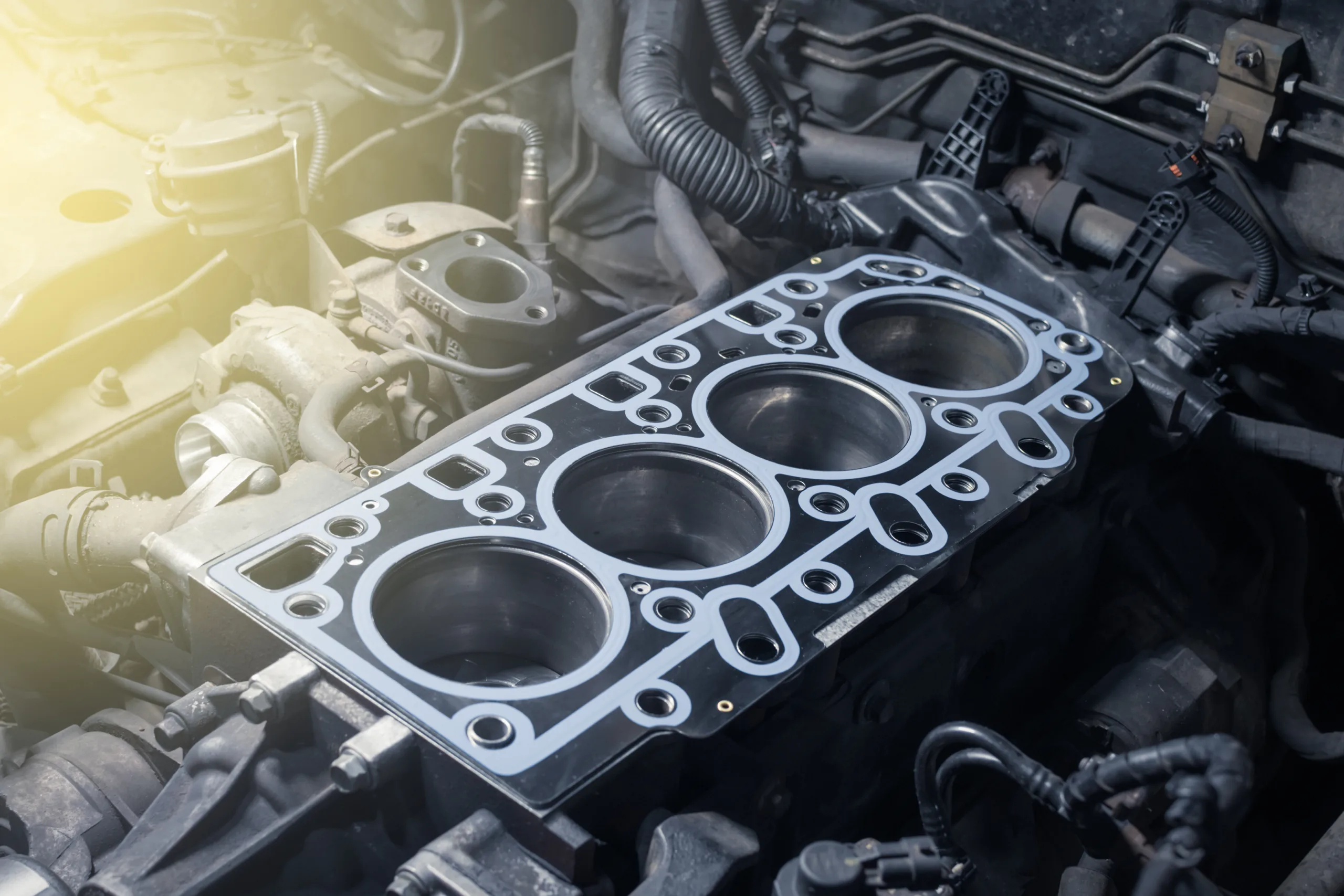
Overheating is not a small issue. It can lead to warped cylinder heads, blown head gaskets, and long term engine damage. The good news is that most cooling problems start small and give warning signs before turning serious.
Check Coolant Levels Regularly
Coolant is the lifeblood of the cooling system. In hot climates, evaporation and minor leaks can reduce coolant levels faster than you expect. Make it a habit to check the coolant reservoir at least once a month.
If the level keeps dropping, that is a sign something needs attention. It could be a worn hose, a weak radiator cap, or a small leak in the radiator. Replacing these parts early is far more affordable than repairing engine damage later.
Inspect Radiator Hoses and Clamps
Rubber hoses do not love extreme heat. Over time, they can become brittle, cracked, or swollen. In warm climates, this wear happens faster.
Squeeze the hoses gently when the engine is cool. If they feel too soft, too hard, or show visible cracks, they should be replaced. Loose or corroded clamps can also cause slow leaks. A simple inspection can save you from being stranded on the roadside.
Keep the Radiator Clean
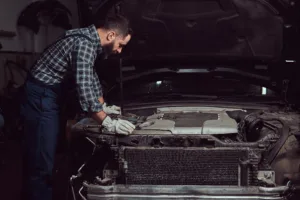
Dust and debris are common in hot regions. Over time, dirt can clog the radiator fins, reducing airflow and cooling efficiency.
Make sure the radiator surface is clean and free from blockages. Even a thin layer of dust can affect performance when outside temperatures are already high. A properly functioning radiator allows air to pass through smoothly and helps maintain stable engine temperature.
Monitor the Thermostat
The thermostat controls the flow of coolant through the engine. If it gets stuck closed, coolant cannot circulate properly, which leads to rapid overheating. If it gets stuck open, the engine may not reach its optimal temperature, affecting efficiency.
If you notice unusual temperature gauge readings or inconsistent heating inside the cabin, the thermostat may need replacement. It is a small component, but it plays a critical role.
Pay Attention to the Water Pump
The water pump keeps coolant moving through the system. A failing pump may cause leaks, unusual noises, or overheating. In warm climates, where the cooling system works harder, the water pump experiences more stress.
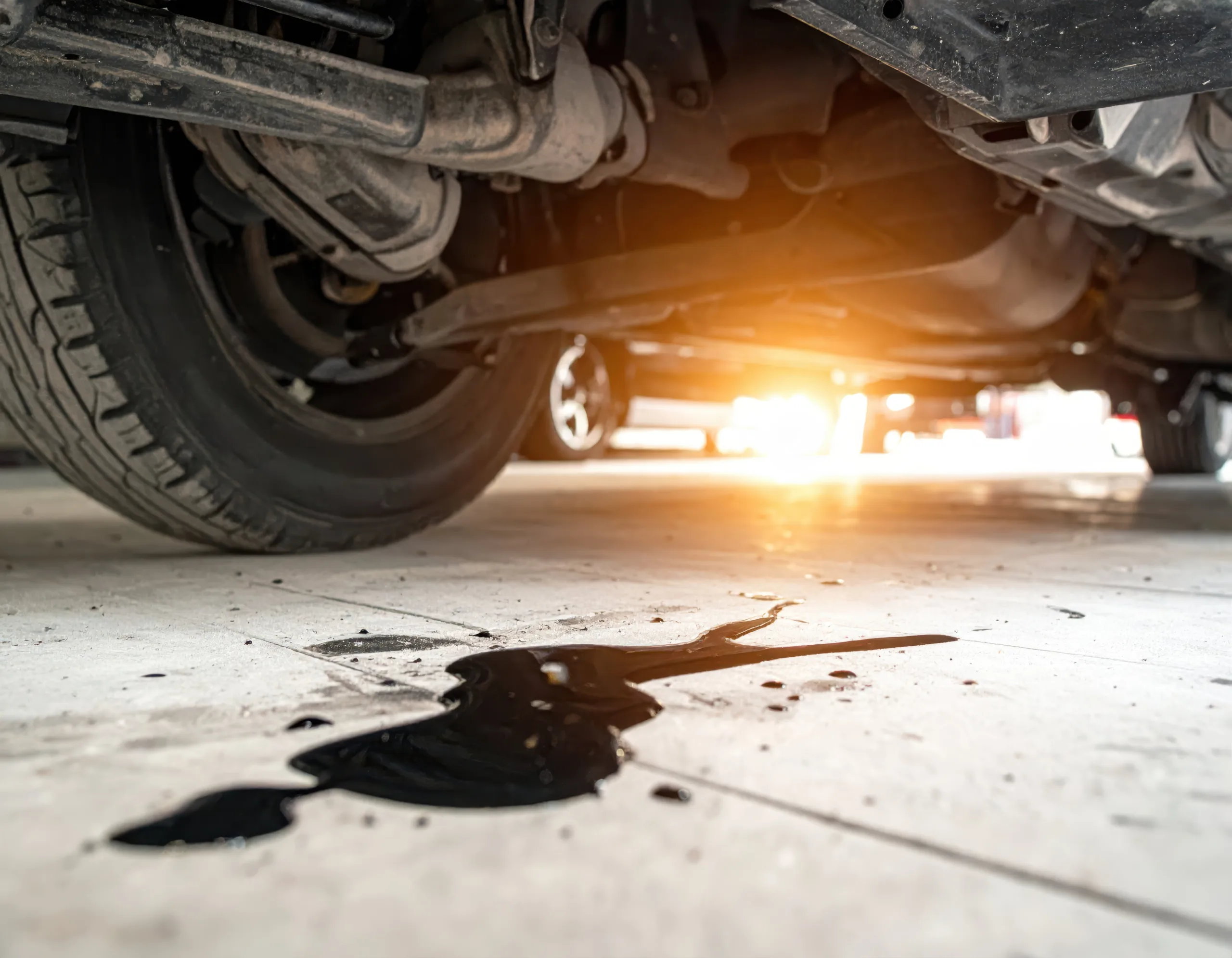
If you see coolant dripping under the vehicle or hear grinding sounds from the engine area, do not ignore it. Early replacement prevents bigger damage.
Do Not Ignore the Radiator Cap
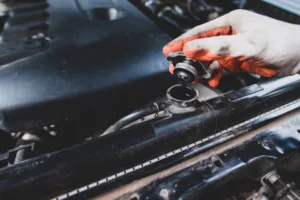
Many drivers overlook the radiator cap. It maintains proper pressure inside the cooling system. A weak cap can cause coolant to boil at lower temperatures, especially in extreme heat.
If your Mitsubishi shows signs of overheating but the radiator and hoses look fine, the cap might be the issue. Replacing it is simple and cost effective.
Use Quality Replacement Parts
When replacing cooling system components, quality matters. At Popular Auto Parts, we supply reliable aftermarket replacement parts that match original specifications. We focus on providing dependable components that support the long term performance of your Mitsubishi.
Choosing the right parts ensures proper fit and function. In warm climates, where stress on the cooling system is constant, using trusted replacement components makes a noticeable difference.
Stay Ahead of Overheating
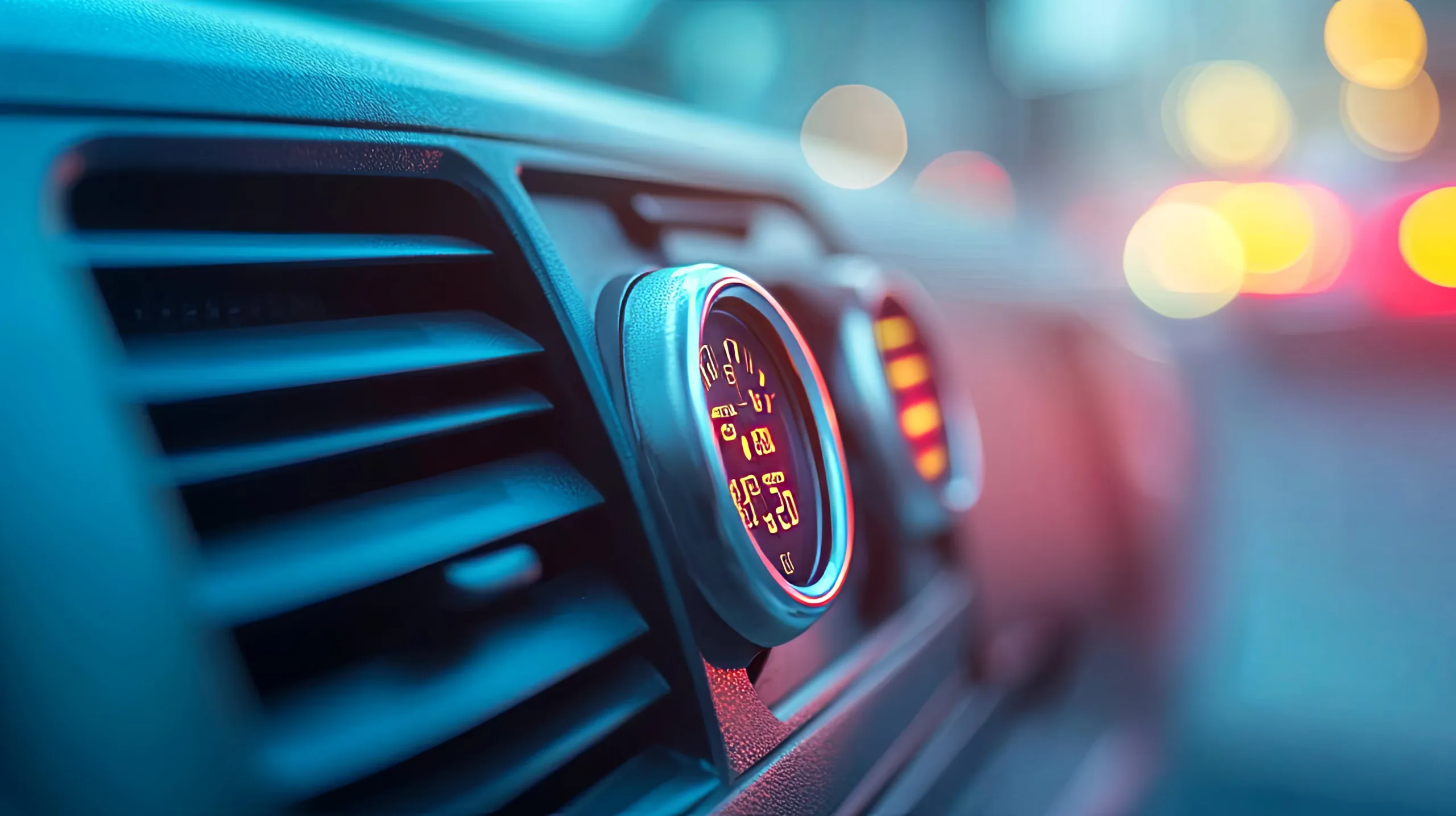
Prevention is always better than repair. Watch your temperature gauge while driving. If it rises higher than usual, turn off the air conditioning and allow the engine to cool down safely. Never open the radiator cap while the engine is hot.
Regular inspections and timely part replacements help you avoid major engine problems. For drivers looking for Mitsubishi spare parts in dubai, we are here to support you with the right solutions for your vehicle. At Popular Auto Parts, we understand the challenges of driving in hot conditions and provide dependable replacement components to keep your cooling system working properly. If you need assistance or want help finding the correct parts for your Mitsubishi, contact us today and our team will guide you.
I am text block. Click edit button to change this text. Lorem ipsum dolor sit amet, consectetur adipiscing elit. Ut elit tellus, luctus nec ullamcorper mattis, pulvinar dapibus leo.
How often should I check the coolant level in a warm climate?
It is recommended to check your coolant level at least once a month and before long drives. High temperatures can cause faster coolant loss.
What are the common signs of an overheating Mitsubishi engine?
Warning signs include a rising temperature gauge, steam from the hood, coolant leaks under the vehicle, and a burning smell from the engine area.
Can I drive my Mitsubishi if it starts to overheat?
It is not advisable. Continuing to drive while overheating can cause severe engine damage. Stop safely and allow the engine to cool.
Which cooling system parts usually need replacement in hot regions?
Common parts include radiator hoses, thermostats, water pumps, radiator caps, and sometimes the radiator itself depending on wear.
Where can I find reliable replacement cooling system parts for my Mitsubishi?
.You can contact us at Popular Auto Parts for trusted replacement components and expert guidance on selecting the right parts for your vehicle